Building on the legacy of local Black press for a new generation

The first time Crystal Good tried to run a newspaper, she was still in high school. Her father was a journalist, a personal connection that inspired Good to get involved with her high school’s newspaper and yearbook. When she learned that a longstanding Black family-run newspaper called The Beacon Digest was up for sale, she put in an offer. “I don’t know what made me think this, but I was like, ‘I could run a newspaper.’”
The publisher didn’t accept the offer, but the seed was planted. Years later, Good found the tools to make her dream a reality by enrolling in West Virginia University’s NewStart program, a local news ownership initiative.
She learned newspapers could be profitable businesses, and launched Black By God (BBG) in 2020, building on a long legacy of Black press in West Virginia. “Because I wanted to do a Black publication — that didn’t exist. So we had to create it.”
At the time, grants and support from readership were strong. Now five years later, the political and economic climate has shifted, and Good has turned to Indiegraf to support a data-driven “heavy reset” on BBG from top to bottom — reviewing website metrics, administrative processes, grant strategies and revenue streams.
The Indiegraf Experts team is working on a lead generation campaign to grow the newsletter list, a welcome series for new subscribers and recently completed a Search Engine Optimization (SEO) audit to provide Good with data to guide editorial decisions.

“I feel like I’ve been kind of winging it,” Good said. With this new data in hand, the focus is on delivering the content that her growing audience really wants.
”[We’re] trying to figure out who we are in this sea of Appalachian narrative,” Good said. “Are the readers really interested in diversity, equity, and inclusion articles, or am I going to do better by documenting Black history in West Virginia and telling people stories?”
“Because my goal is straightforward,” Good says. “I’m building an information highway for Central Appalachia.“
Leveraging content to support new revenue streams
In the first few years after the launch, Good’s main focus was on doing everything and anything to prove people cared about Black news in West Virginia. “BBG has made such an impact, I trust that now.”
She can now focus on “truly planning content for the year and considering revenue models and really looking at analytics and the data and making smart choices.”
Over the years, Good has been invited to several incubators for independent news publishers. “A lot of helping people figure out different programs, platforms, services for this new world of publishing,” she recalls. “I just didn’t need to be in a beta. I just wanted to be in a sure thing. And Indiegraf, I trusted that platform, and they showed me success.”
“Trying to run this as a business, you go with what works, and [Indiegraf’s] tech stack was more appealing to me at the time,” she added.
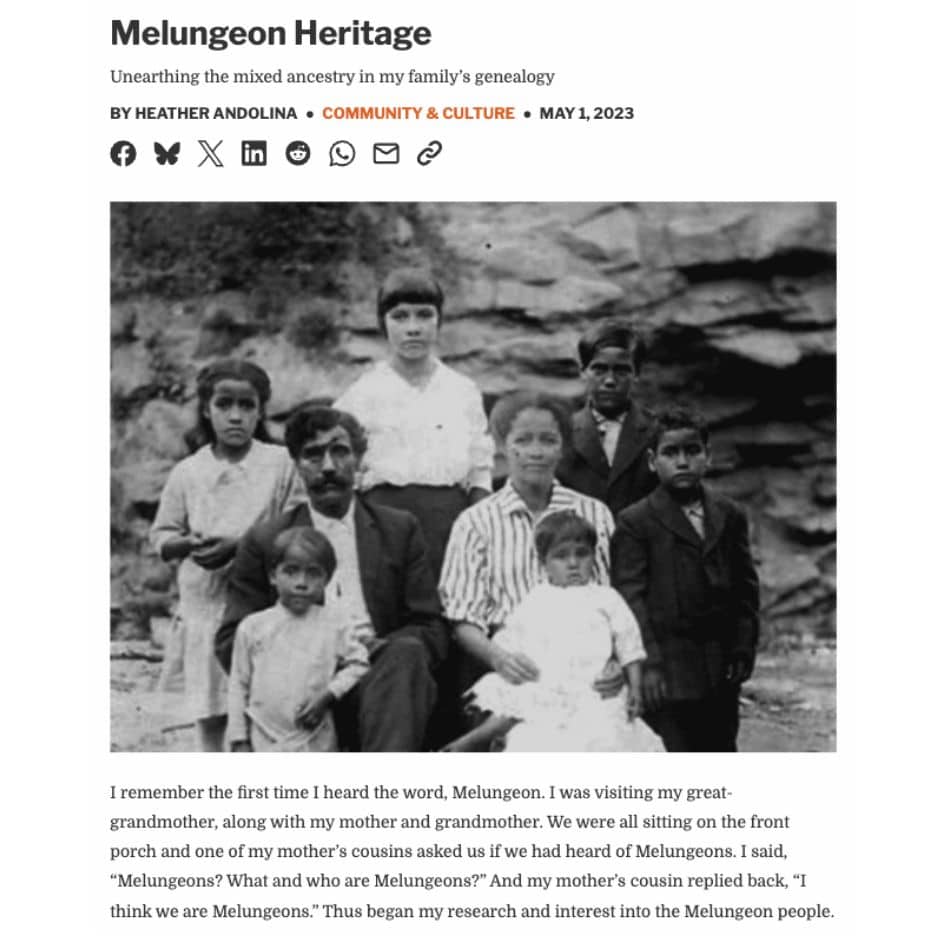
More recently, Indiegraf has supported an audit of BBG’s website traffic, where Good has learned the top-performing story is about Melungeon heritage.
“So my wheels are kind of trying to track to, what does this line of content offer in terms of sponsorships, and who would be interested in it?” Good says.
Funding from online ads and print issues, alongside other forms of revenue like grants and donations from readers — BBG currently has 100 recurring donors — can support the future hire of a full-time reporter and “eagle eye” to make sure content is polished and fact-checked.
How Indiegraf is helping to strengthen newsletter performance and audience growth
To reach these goals, Good is working with Indiegraf’s strategists to test new editorial products with potential for sponsorships, like a new travel and tourism issue of BBG that focuses on West Virginia’s Black foodways and cultural landmarks, drawing inspiration from The Green Book that guided Black folks on where to stay and eat in a segregated South.

Indiegraf also helped BBG create automated weekly technology- and agriculture-focused newsletters using RSS feeds, which search the BBG website for stories on these topics each week. “It’s not complicated for me,” she said. “We just have to make sure that we have four new stories, so it automates.”
Indiegraf also supported lead generation campaigns to grow subscribers for these new products. Within a week, they grew the agriculture newsletter by 600.
“I thought that was great, because I was like, this is very specific. This is a Black publication that is centering agriculture,” she recalls. “So part of me is looking at the top, you know, how can I get each of these newsletters sponsored specifically for the year?”
For now, Good remains the main person charged with growing the business and reporting the stories. When she needs a morale boost, she says she turns to the archives. “I always find a gem there, something that kind of encourages me.”
In one issue, the editor wrote to its readership, “Sometimes you might not see this newspaper. That’s because we’re having difficulty with printing costs. But we’re not going away,” she recalls reading. “And this is from a Black newspaper publisher from like the 1890s.”
She says she also can’t help but notice these newspapers are full of ads. “So I’m like, ‘Look, if they could do this in the 1920s and 1930s, then that model works.”
“And now we’ve got this added real estate with online ads,” she said. “So part of my goal now is, how can I just be supported through ads and things that don’t necessarily change, like grants? That’s where I really want to hunker down.”

Indiegraf has helped over 120 publications across North America start, grow and manage an independent news business. Interested in joining Indiegraf’s growing network? We are happy to answer any questions.