Starting a newsletter requires a lot of careful consideration. Tone, structure, and audience are all usually top of mind. But the first introduction to a newsletter doesn’t come through witty writing, beautiful design, or a killer outreach campaign. It starts with the title.
Newsletter titles are the first point of engagement with a new readership. As such, they need to fit their newsletter like a hand in a glove. So, too, do newsletter headings and subject lines. If they’re out-of-step with a newsletter’s contents, readers might let the email slide on by in their already overcrowded inbox.
Fortunately for publishers, the fundamentals around developing newsletter titles and newsletter subject line ideas aren’t all that different from those found in traditional print media. You need to let the reader know what they’re going to find in your newsletter, but also play a little coy, and entice them into reading to the end of the email.
Choosing newsletter titles: How do I do it effectively?
Appropriate newsletter titles vary by how you intend to use newsletters in your editorial strategy. Is it a tool to drive reader engagement? Is it an extension of your publication’s reach? Or are you using newsletters as its own independent platform, to cover a series of stories or regular features? Your newsletter’s origin story will ultimately govern what you choose to call it.
Regardless of how you use newsletters, there should be a clear link between your newsletter, its parent publication, and the subjects or communities you cover. Getting creative with a title is fine— but go too far into left field, and your readers may wonder what they’re signing up for.
Spam filters are getting more and more sensitive. Try to ensure your newsletter’s title doesn’t contain unusual punctuation, symbols, or spelling. The last thing you want is for your hard work to dwell forever in a reader’s spam folder.
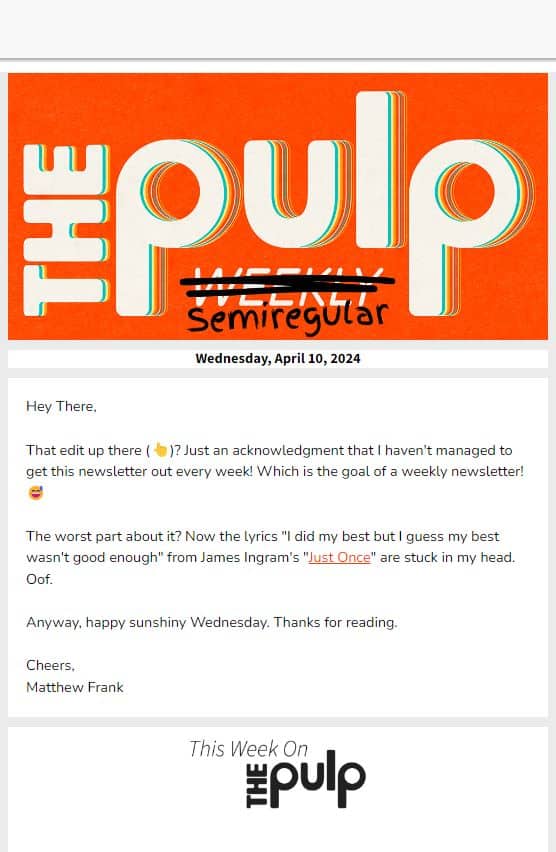
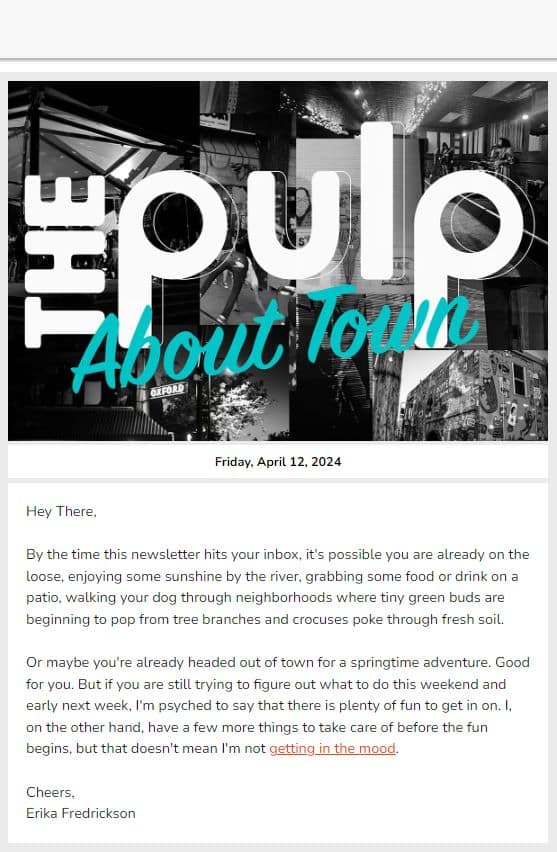
How should you write engaging newsletter headlines?
Headlines for newsletters are just like headlines for a print or online news story. Readers want a concise explanation of what they’re about to read, and they’ll lose interest if a headline trails off or doesn’t get to the point.
That said, it’s possible to include puns, wordplay, or other verbal gymnastics in a headline. After all, a newsletter headline is aimed straight at a user’s inbox and doesn’t have to conform to the same SEO practices of an online post. It’s possible to insert pop-culture references, or in-jokes. An engaging headline is one that not only tells readers what to expect, but is also unmistakable to any other newsletter in their inbox right now.
But you need to ensure a newsletter headline is short and snappy. As Christine Taylor, a former managing editor at the Chicago Tribune, pointed out in 2020, the first three to five words matter the most, especially if a reader is scrolling through a newsletter quickly on their phone. Anything longer might not fit on their screen.
Finally, the best subject lines for newsletters play with the contents of the newsletter itself to drive engagement. They refer to items buried deep down in the body so readers actually scroll all the way to the bottom instead of just skimming the top. Or, they quickly summarize the takeaway of a big story and let the newsletter’s body unpack all the details.
What should you avoid when writing headlines for newsletters?
Avoid vague, long titles that don’t explain what readers can expect to read in the newsletter. If it doesn’t fit on a phone’s screen, it probably won’t land with the majority of readers. You should also rule out headlines that lean on references your readers won’t certainly understand. (A newsletter about biodiversity can probably make a Jane Goodall reference without context; a newsletter about finance probably can’t).
While newsletter headlines certainly share the same attributes as print or online headlines, they shouldn’t just be a copy-paste from your publication’s main platform. They should feel like an organic subject line that could only be found on your publication’s newsletter and nowhere else.
Headlines should also clearly fit the tone of the publication, as well as the subject matter at hand. If you’re writing a newsletter about a serious issue, don’t crack a joke in the subject line. You will almost certainly hurt your credibility with readers, especially those who’ve experienced these issues first-hand.

What should be on a newsletter header?
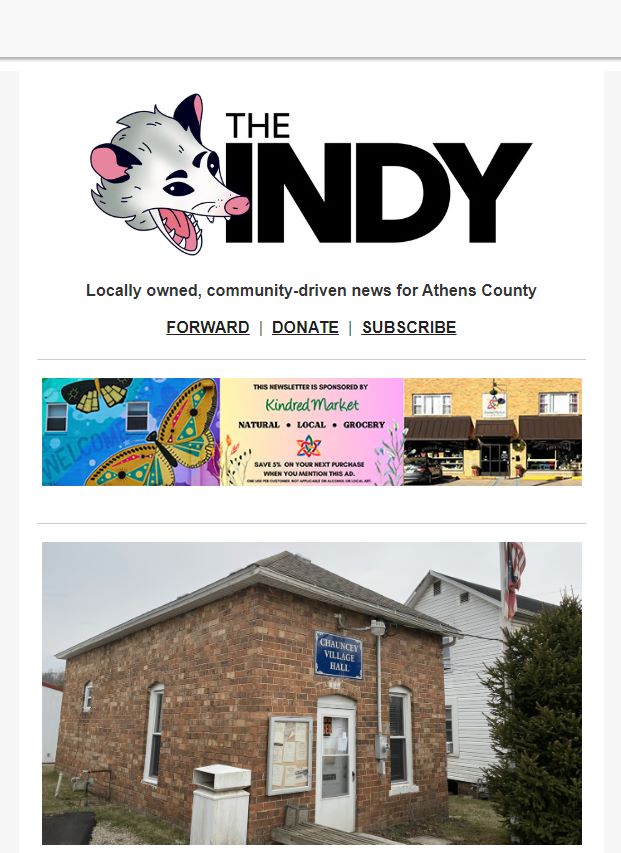
The header is what readers see first when opening your newsletter. So it needs to stand out. That means including your newsletter’s title, logo, and a menu if necessary to navigate the email body. It should be instantly recognizable on either a desktop screen or a smartphone.
A newsletter header is a visually striking way of representing your publication. With this goal in mind, it should match the branding as closely as possible. Amid all of the clutter of personal emails, promotions, and competing newsletters, your header should be able to quickly signal what your newsletter is all about to a reader.
The takeaway
Newsletter titles, subject lines, and headers are quick ways of identifying your newsletter to the world. Consider how these elements relate to the body of your email, and how you can optimize them to entice readers to open even amid a cluttered inbox.
Read more 📖 “Email newsletters 101: A complete guide for independent publishers and journalists” to find out how to craft effective email newsletters that boost audience engagement and revenue growth.