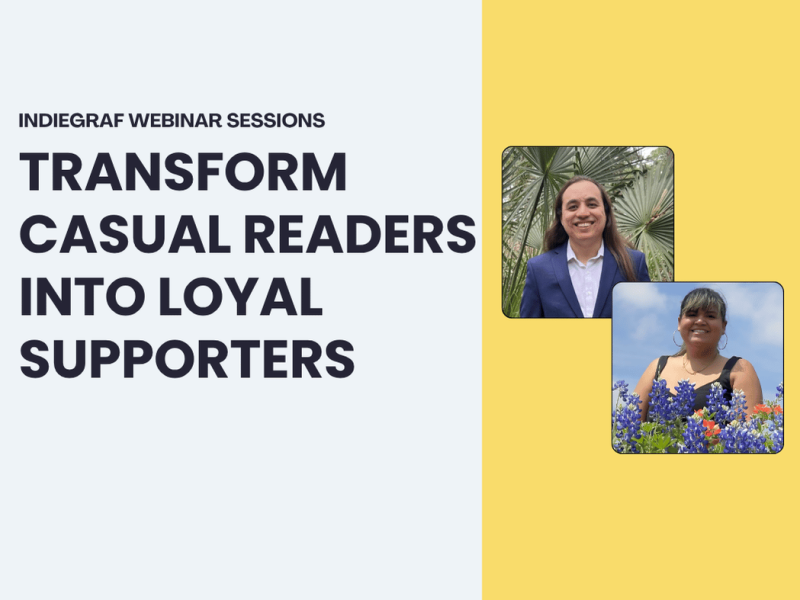
Maritza L. Félix is the founder of Conecta Arizona, an independent nonprofit news organization dedicated to informing and empowering the Hispanic, migrant, and border communities in Arizona and beyond. Félix and her team work at the intersection of journalism, community service, and advocacy.
In this conversation, Félix discusses the challenges of covering political violence, immigration issues, and misinformation in an increasingly hostile environment since Donald Trump’s reelection as President. Since then, Félix and her team have been reporting on the effects of his anti-immigration policy on their community, including targeted operations and deportations.
She also shares how Conecta Arizona uses WhatsApp as a primary tool to engage with their audience, providing real-time, trusted information to combat fear and panic.
Q: What were your expectations leading up to the election?
A: We were preparing for the worst in terms of political violence surrounding the November elections. While things weren’t as bad as we initially feared, we were still working underground to prevent violence.
However, the real unrest began in January, right after Trump was inaugurated. It has been nonstop since January 20. The day after the inauguration, we received 819 messages from our community members expressing fear about immigration raids, racial tensions, and misinformation. There was widespread panic, and people were looking for reliable sources to verify the truth.

Q: How did you prepare for potential violence?
A: Before the election, we worked with organizations like Pen America and Over Zero to train on digital and physical security. We also focused on preventing the spread of hate speech by framing our coverage positively — starting with good news, addressing the hard issues, and ending on a hopeful note.
After the protests started, we implemented security plans for our team, many of whom have mixed immigration statuses. Some are on work visas, some are DACA students, and others are freelancers. If they are detained, we need to ensure they are protected. We now attend protests in pairs, stay together, and have contingency plans in case of escalation. However, we still lack legal resources and local attorneys who understand immigration issues for media workers.
🇺🇸Cientos de personas participaron en la manifestación a favor de los inmigrantes y en contra de la Administración Trump realizada este miércoles en el Capitolio estatal de Arizona.
— Conecta Arizona (@ConectaArizona) February 6, 2025
➡️Más detalles: https://t.co/1RUFuffJmc
📷Y la galería de fotos, por @DanRoblesFoto: pic.twitter.com/LndrjiIizZ
Q: Can you describe some of the physical safety issues your team has faced?
A: We’ve experienced violence while covering protests, including being pepper-sprayed. We’re still unsure whether wearing press badges and vests helps or makes us a bigger target. Our approach is to document events as neutrally as possible, but situations escalate quickly. One of our reporters, Enrique, was deeply immersed in covering a protest when things turned chaotic. I had to urge him to leave, because once police start making arrests, they don’t check whether someone is media or not.
Additionally, reporters face hostility from different groups. At pro-immigrant protests, counter-protesters yell racial slurs, telling us to “go back to our country” or “speak English.” Unfortunately, we’ve normalized this level of harassment, but it shouldn’t be acceptable.

Q: Has the increased risk affected your reporters’ willingness to cover these issues?
A: On the contrary, our reporters are more motivated than ever. They want to be on the ground, telling real stories and informing their communities. They proactively volunteer to cover events and are willing to take calculated risks, as long as we ensure their safety by sending them in pairs.
Q: Have you been able to find the legal resources you need?
A: We are in discussions with legal organizations, but it’s difficult to find immigration attorneys who understand media and can work with us at an affordable cost. The legal support we need is expensive and often only available in English, which is a challenge for half of our team who primarily speak Spanish.
Q: Why is it important to have resources available in Spanish?
A: Many of our team members and the community feel more comfortable communicating in Spanish. In Arizona, speaking Spanish in public can put a target on your back. If our team attends a legal training in English, there’s a risk of critical information getting lost in translation. Having resources available in Spanish ensures they fully understand their rights and can effectively communicate with legal professionals.
Q: How does your newsroom communicate with and support the community?
A: Our primary platform is WhatsApp. While we also have a radio station, website, newsletter, and live events, all direct conversations happen via WhatsApp. Our number is public, so anyone can message us with questions. Initially, we received questions about basic services, but after Trump’s inauguration, we saw a surge in panic-driven messages. People sent photos of police cars outside supermarkets, fearing immigration raids that weren’t actually happening.

Q: How else has Conecta Arizona been impacted since Trump’s election?
A: We have lost funding due to connections to DEI (Diversity, Equity, and Inclusion) initiatives, which are now facing major cuts. We anticipate a broader chilling effect on funding for media organizations like ours, as financial support for underrepresented communities is shrinking.
Fortunately, Conecta Arizona has secured funding for the next couple of years, but even now, we don’t have enough reporter capacity to fully meet the growing demand for trusted information. At this crisis point, our community needs us more than ever, but we are stretched thin and need more resources to continue serving them effectively.
Q: What are you anticipating will happen next?
A: We’ve seen similar situations before, like in Arizona in 2010 with SB 1070. The national anti-immigrant rhetoric is now mirrored at the state level, making it even harder for our community. We are preparing for the worst by strengthening connections with local organizations that can provide legal and emergency support.
At the same time, we want to balance our coverage to include positive stories. We hosted an event at the Desert Botanical Garden to give people a break from immigration worries and simply enjoy a day outdoors. Journalism can’t be solely about crisis response — we need to provide a full picture, including education, arts, and culture. We’re still finding that balance, but we’re working on it.
We have compiled a list of resources for journalists and newsrooms, covering everything from legal protections to digital security. We will continue to update this post with the latest resources. ➡️ Check out the full list here.