
In the Indiegraf webinar “Engaging Gen Z Audiences: Strategies for Local Newsrooms,” Adriana Lacy shared insights on how to effectively engage young adults by understanding the latest trends in Gen Z news consumption. The digital media consultant and CEO of Adriana Lacy Consulting put a strong emphasis on video content and understanding the evolving media landscape.
Understanding Gen Z News Habits
Lacy acknowledges that current strategies are likely to fail to engage younger audiences due to the shift in how news is consumed today compared to a decade ago. Gen Z news consumption is no longer primarily through traditional broadcast or cable news; instead, it’s predominantly discovered through social media feeds.
Today, news organizations compete not only with each other but also with viral content from creators, influencers, and individuals on various social platforms. Cutting through this noise is a major challenge. Algorithmic changes have also stripped news organizations of their former control over distribution. Algorithms now determine who sees content, which can change at any moment.
@enriqueanartelazo The elections for the European Parliament will take place 6-9 June, 2024. #europeanparliament #europeanpolitics #euelections #euelections2024 #europeanunion #matteosalvini
♬ original sound – Enrique Anarte – Journalist
What Gen Z Expects from News Media
A New Era of Trust and Transparency
There’s a fundamental shift in how trust works, particularly for news for Gen Z. This generation, having grown up during the “fake news era,” is inherently skeptical. They are accustomed to fact-checking information and have a zero-tolerance policy for factual inaccuracies. When errors occur, they quickly screenshot and share them, demanding immediate corrections and transparent acknowledgments of mistakes.
Authenticity is crucial. Being professional is no longer enough; younger audiences seek genuine conversations with journalists and can easily detect PR spin. They want to see the human side of journalism and understand how the process works.
This means journalists must show their work, admit when they don’t have all the answers, and be upfront about issues. Traditional authority based solely on brand name is waning; Gen Z trusts individuals more than institutions, requiring each story to earn credibility on its own merits.
@biancagraulau Les amooo
♬ original sound – Bianca Graulau
Why Gen Z Is Reshaping the Future of News
Gen Zers Are Not Just Another Audience Segment
Lacy stresses that Gen Z is not simply another demographic but a transformative force in the news industry. They are not just teenagers. The oldest Gen Z members are in their late twenties and starting careers. The youngest ones are shaping social media trends.
With an estimated purchasing power of $33 trillion by 2030, this generation is shaping the future of media. Understanding Gen Z media consumption is crucial not just for reaching them today but for staying relevant as they continue to influence news trends.
The Gen Z consumer is also redefining how content is created. Their preferences influence platforms, as seen with TikTok’s format leading to Instagram Reels and YouTube Shorts. They are also the blueprint for Gen Alpha’s media habits, making understanding them crucial for long-term strategy. Missing out on engaging Gen Z today means missing out on them in the future as they continue to consume news.
Why Gen Zers See News as a Tool for Social Impact
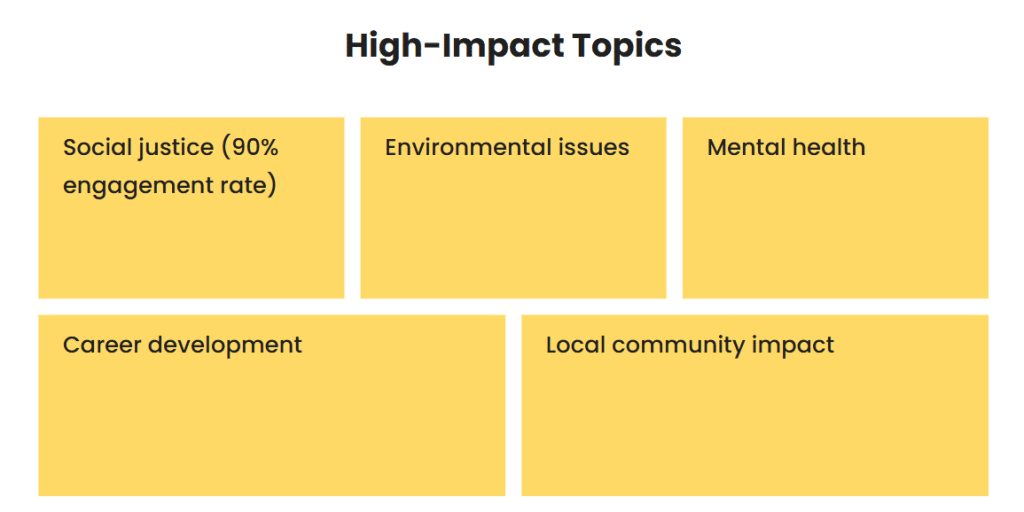
A key characteristic of Gen Z is their view of news as a tool for social change. They want to understand why issues matter and see news as a pathway to action. They expect news to not only report events but also explain how people can help address social injustices. This generation is highly active in fundraising and organizing movements on social media, using digital platforms as community spaces.
Where Gen Z Gets Their News: Platform Insights
Lacy dives into specific platforms and how Gen Z uses them for news.
TikTok as the new front page
TikTok is emerging as the primary news source, with the “For You” page becoming the new front page. Success involves 15–60-second short form videos that hook viewers in the first few seconds. Talking head videos with articles in the background are valuable for creating connections between social content and website resources.
Instagram for curation and analysis
Instagram is used for a curated news experience. Stories are for breaking news, posts for analysis, and carousels for in-depth topics. Prioritizing stories over posts is crucial due to feed algorithms.
YouTube for depth and long-form storytelling
YouTube serves as a platform for deep dives and longer-form content. It’s where Gen Z goes for context and understanding, with three-minute TikToks driving traffic to 15-minute YouTube videos.
Adriana Lacy clarifies that websites are no longer primary destinations but rather archives and resource hubs. Social media should drive traffic to websites, not the other way around. She advises newsrooms to strategically focus on one platform at a time rather than spreading efforts too thin across multiple platforms.
How to Build Trust with Gen Z Audiences
Humanizing journalism through behind-the-scenes content
Transparency is paramount for building trust with Gen Z. They want to know how stories are sourced and gathered. Showing the journalism process, like a math problem with every step explained, is essential. Behind-the-scenes content, such as showing newsroom operations and editorial meetings, makes journalism more relatable and human.
Reporter-first strategies over brand-first approaches
Personality matters. Gen Z connects with individual reporters more than brand names. Journalists who create their own social media content often see higher engagement. Casual, conversational language is preferred over formal speaking, as Gen Z quickly detects inauthenticity.
Honesty about agendas and potential conflicts of interest is crucial. Diverse perspectives must be included, as Gen Z notices when voices are missing, especially from marginalized communities.
News Content Creation Strategies That Resonate with Gen Z
Lacy emphasizes that overproduced content is not necessary. Raw and real posts often perform better than polished studio pieces. Substance over style is key.
Key content creation strategies include:
- Vertical video: A non-negotiable standard.
- Hooking viewers in the first 3 seconds: Using visually compelling moments, surprising facts, or emotional hooks.
- Captions and text overlay: 85% of social video is watched without sound. Text should be large and clear.
- Background music: Can be an emotional driver but should not be crucial to understanding the video.
- Trending sounds: Can increase visibility on platforms like TikTok.
- Interactive elements: Enhance engagement.
Shares are vital, and content should be share-worthy. This involves creating content that resonates with Gen Z’s values, interests, and desire for social impact.
In conclusion, there are many ways news outlets can adapt to engage Gen Z. By understanding their habits, preferences, and expectations, news organizations can effectively reach and build trust with this crucial demographic. The shift requires a fundamental rethinking of journalism in the digital age, moving away from traditional methods and embracing the dynamic and evolving world of social media.