⚡ Quick navigation guide
- Are Website and Newsletter Ads Necessary for Publishers and Newsrooms?
- Maximizing Ad and Sponsorship Revenue
- How to Create Effective Website and Newsletter Ads
- Audience Insights: The Key to Successful Direct Advertising and Sponsorships
- Choosing The Right Advertising Management Software
- Pricing Website and Newsletter Ads
- Media Kits for Ad Sales
- Building Strong Advertiser Relationships for Long-Term Success
- Establishing a Consistent Routine for Ad Sales Success
- First-Party Data: A crucial Asset for Publishers
- Display Advertising Fundamentals
- Programmatic Advertising for News Publishers
Are Website and Newsletter Ads Necessary for Publishers and Newsrooms?
At Indiegraf, we know ad revenue can feel overwhelming. Website and newsletter ads are a crucial tool that helps publishers—big and small—sustain their work while staying true to their mission. Digital advertising and sponsorships support websites, newsletters, and podcasts, allowing publishers to focus on what matters most: journalism.
To Mark Talkington, founder and publisher of the Palm Springs Post, most indie publishers are journalists first and foremost. He was first exposed to the ad business as a high school student while working for a weekly newspaper run by his future mother-in-law, but managing ads wasn’t in his job description. At MSN, where Talkington spent over 20 years, an entire team was devoted to ads.
Still, when he decided to start the Palm Springs Post, an independent community news site covering the California city, in 2021, he understood just how tricky the ad business could be. “I knew how tough it was to sell ads,” he recalls. “I knew how tough it was to get people to pay for ads and I really wanted nothing to do with it.”
Today, around half of the Palm Spring’s Post revenue comes from website and newsletter advertising. Talkington found that there are ways to teach indie publishers with some knowledge of how to make money from website or newsletter ads.
While the growth in their subscribers has slightly slowed, ending 2023 with 15,000 daily newsletter subscribers and 2024 with 17,420 subscribers, revenue from paying members and ads continues to shoot skyward, bringing in $154,000 gross in 2023 and $255,000 gross in 2024.
It all comes down to understanding your publication’s value to its readership — and the sorts of advertisers who might want to reach them, too.
Maximizing Ad and Sponsorship Revenue
Ads and sponsorships can be a game-changer for your publication. They provide a reliable revenue stream while giving sponsors a platform to achieve their goals. But how do you tap into this potential and create sponsorship opportunities that resonate? Let’s break down the steps to leveling up ad revenue.
Provide and Communicate Your Value to Sponsors and Advertisers
Your sponsors have specific goals. Your job is to help them reach those goals with clear sponsorship opportunities. Here are a few examples of how you can add value for your sponsors:
- Raising awareness of their business or organization
- Growing their customer base and driving conversions
- Promoting new or existing products
- Showcasing events
By advertising with your publication, sponsors also demonstrate their commitment to independent journalism and their local community.
Indiegraf Experts Allison McIlmoyl, Senior Product Manager of Advertising, and Sponsorship Manager Ramona Wildeman share their best practices and advice for developing the value proposition and messaging that’ll help publishers find success in this stream.

Having clearly differentiated products is critical. Sponsors should instantly understand what you’re offering and the associated costs. For example, when pitching newsletter ads, clearly explain the ad placement, format, and visibility. A transparent and detailed ad management strategy can make all the difference.
How to Create Effective Website and Newsletter Ads
Whether you are looking to convert your current readers to paid subscribers or reach new readers, an effective ads strategy should form the foundation of your business planning. This includes creating campaigns that are relevant to your target audience and implementing those campaigns in a way that positively impacts your reader’s overall experience.
Before planning your website and newsletter advertising strategy, it’s crucial to get to know your audience. A good practice is to create detailed profiles of your target user segments. With these profiles, you can begin crafting your ad design, powerful messaging and placement specifically to target these segments.

Collecting first-party data from your readers through surveys is a great way to learn about them. This helps you align your advertising efforts with their needs.
Writing Compelling Copy for Website and Newsletter Ads
Effective ads not only capture attention but also compel readers to take action. By considering your readers’ preferences and demographics, you can create engaging messages. These messages will connect with your audience and help increase both engagement and revenue. When creating your ad, keep these tips in mind:
- Crafting a compelling call-to-action: A strong call-to-action (CTA) is the foundation of an effective ad strategy. Like a compelling headline, a well-written ad encourages readers to engage and click through to learn more.
- Designing eye-catching ads for different platforms: When designing website or newsletter ads, think about the best practices for each format. This includes tablet, desktop, and mobile.
- Optimizing ad formats and placements: Ensure you are selecting the correct size for your ad placements. The specific size will depend on the site or platform.
Audience Insights: The Key to Successful Direct Advertising and Sponsorships
First, What is Direct Advertising?
Direct sale display ads are when the advertiser works directly with a publisher to purchase ad space on a specific website. Compared to programmatic ads, direct ads are associated with higher CPMs because the advertiser has more control over where their ads are placed and the audience they are targeting. The drawback is that direct ad buying can take more time and costs more than programmatic.
Why Understanding Your Audience Matters
To gain the benefits of a direct ads strategy, a publisher must understand their audience well. In your first contact with potential advertisers, you should know who your readers are. You also need to understand how they engage with the content where you want to sell ads.
Many publishers rely on advertising for their current or future business models. However, there is a problem: most readers either ignore ads or avoid them completely. A direct ads strategy has the opportunity to remedy this concern if you take advantage of your ability to offer highly personalized ads for your readers.
Use Analytics Tools to Know Your Audience
In simple terms, an analytics tool is software that is used to collect and track user data. These tools collect information on who your readers are and how they are engaging with your site. This makes it an essential resource to help you know your audience better.
Once you set up the analytics tool to collect your data, it will run automatically in the background. This will help you understand your publication’s readership better over time.
Indie Website is designed to seamlessly integrate with Google Analytics. Our team will set up your publication’s Google Analytics account for you and ensure it’s running properly.
Choosing The Right Advertising Management Software
Advertising management software is important for news publishers. It makes it easier to manage, deliver, and improve ads on different platforms.
By offering tools to organize ad inventory, target audiences effectively, and maximize revenue opportunities, it allows publishers to focus on producing quality content while ensuring a sustainable income stream.
In today’s competitive digital landscape, robust ad management solutions empower publishers to remain agile, efficient, and profitable.
What is Indie Ads Manager?
In the dynamic world of digital advertising, publishers need ad management software that offer flexibility, efficiency and scalability. Enter Indie Ads Manager — a full-service, cross-platform digital ad server designed to give publishers complete control over their ad inventory. Unlike many advertising platforms that focus solely on programmatic display ads,
Indie Ads Manager lets users manage direct sale ads. You can show these ads on your website, email newsletter, and apps. Key features of Indie Ads Manager include:
- Deliver ads across websites, emails, apps, and more
- Build a variety of ad formats
- Advanced campaign management
- Access extensive programmatic sources
- Real-time analytics and reporting
- A/B testing for ads
Whether you’re a publisher overseeing several outlets or a single publication seeking simplified ad management, Indie Ads Manager has you covered.

Why Indie Ads Manager Stands Out
Our ad management software is more than just an ad-serving platform — it’s a partnership. During onboarding, Indiegraf sets everything up for a smooth, turnkey experience.
Additional ad ops support is also available for publishers who need more hands-on help. Ongoing support and a ticket system ensure that any issues are quickly resolved, allowing publishers to focus on growing their ad revenue.
Pricing Website and Newsletter Ads
Determining the price of advertising can be one of the trickiest aspects of running a newsletter or website. Don’t worry! We have tips to help you through this process. These tips will help you set rates that show the value you offer to advertisers.
Before setting your ad rates, it’s crucial to understand the landscape. Start by researching similar publications in your area — this includes independent publications, networks, and larger media outlets. Here are a few ways to gather information:
- Request competitors’ media kits and pricing: Don’t hesitate to ask competitors for their media kits and pricing. This can give you a baseline to work from and help you gauge where you stand in the market.
- Subscribe to newsletters: By subscribing to your competitors’ newsletters, you’ll get a firsthand look at their content and ad offerings. This will also help you understand their audience and how they position their ad space.
How to Set The Right Price For Your Website and Newsletter Ads
Our advice is: Start low, then increase rates as you grow.
When starting out, it’s wise to set your rates lower to attract early adopters and build a track record. Here’s a breakdown of how to think about your pricing:
- Newsletter Ad CPM: On average, newsletter CPMs range between $10-$30, depending on factors like ad placement and the publication’s coverage area. When determining how to price newletter ads, for niche publications with a highly targeted audience, CPMs can even reach $50 or more.
- Building trust and value: Starting with lower rates allows you to build trust with your advertisers. By demonstrating the effectiveness of your ads, you’ll be in a stronger position to increase rates over time.
As your audience grows and your value becomes clearer, you can begin increasing your rates. Starting low allows you to attract more advertisers and encourage long-term partnerships.
Media Kits for Ad Sales
As online publishers start selling digital ads, it can help to create a media kit. This kit can attract potential advertisers or sponsors. They give advertising partners the information they need to decide about working with a publication.
What Are the Benefits of a Media Kit?
You might follow up on an initial sales call by sending a media kit over to the advertising partner for review. Potential advertisers or sponsors may want to review a summary of your publication and available opportunities before they’re ready to hop on a call.
In either case, having a media kit ready will be important to a sales strategy. In addition, a media kit provides your publication with several key benefits, such as:
- Media kits help build trust: They are a great way to introduce a prospect to your publication.
- Media kits give a professional look to your publication. A good media kit template shows potential advertisers that you are a serious organization.
- Media kits can help you close deals faster. They provide key decision-makers with all the information they need to decide about working with your publication.

Key Components of an Effective Ad Sales Media Kit
There are several key components of a media kit that potential advertisers will expect. But what is the cost of designing a media kit? You don’t need a big budget to create a good media kit. Just make sure to organize and share the key information below:
- Publication overview: This is an opportunity to lay out your value proposition, objective and mission to potential partners.
- Audience demographics: Placing an ad in your publication is an opportunity for your partners to reach this audience, so it’s important to show that work.
- Product overview: You can include details like dimensions and size, placement types (banner, newsletter, or in-article), pricing, publication schedule and intended duration of advertising placements.
- Testimonials: Once you’ve had a successful advertising partnership, you may want to include this as a case study in your media kit.
- Ad specifications: This will include the exact dimensions of ads, required file format, resolution and deadline.
- Contact information: Including your contact information in the media kit removes the chance of a prospect losing your contact after a long decision period.
- Branding and text: Keep it simple with consistent branding.
Explore a curated list of free resources and content creation tools designed to simplify journalism and publishing.
Building Strong Advertiser Relationships for Long-Term Success
Building relationships with advertisers can be a game-changer for growing your publication into a sustainable business. But where do you start? We’ll walk you through practical strategies to find and approach potential advertisers, sell ad space, as well as tips on how to maintain lasting partnerships.
Leverage Existing Networks for Ad Sales
Before diving into cold outreach, tap into your existing network. Contact people you already know. This can be through local groups, nonprofits, or businesses you have worked with before. These groups are often more receptive and willing to support your efforts because of pre-established trust and mutual goals.
Look at the businesses and organizations that are already subscribed to your newsletter or following you on social media. It is easier to get a sponsor if they know what your publication is doing.
You can also find potential sponsors in a variety of places:
- Check out industry websites, magazines, newsletters, etc. to find who is advertising with similar publications
- Look at local events and see who their sponsors are
- Research local businesses
- Go to local networking events
Focus on Understanding Advertisers’ Needs and Tailoring Offers
Before you pitch anything, take the time to understand your prospect’s needs. What goals are they trying to achieve? What challenges are they facing? Do they support specific community causes? Adapt your ask to be specific to their needs. Don’t use a one-size-fits-all approach.
When you’re targeting local advertisers, the key is to demonstrate the value of reaching a specific, localized audience. Highlight the geographic area your newsletter or website covers, and emphasize how advertising with you allows them to connect with people in their community. Local businesses often prefer working with hyper-targeted media outlets, so make sure you’re clear about the unique benefits you offer.

To further enhance targeting capabilities, ad management software like Indie Ads Manager allows publishers to refine their audience reach based on device, browser, geographic area, and keywords. Leveraging these tools can help you provide more value to advertisers while keeping your ad placements efficient and profitable in today’s competitive digital landscape.
Establishing a Consistent Routine for Ad Sales Success
Like all areas, sponsorship and advertising sales will ebb and flow throughout the year. Tracking your gross ad sales revenue is a critical part of annual planning. Month-over-month and (eventually) year-over-year mapping will help you understand trends in your market, letting you know when and where your efforts are best served.
Here are a few Indiegraf Experts tips on how to get started with an ad sales routine.
A Step-By-Step Guide to Creating an Ad Sales Routine
1. Schedule dedicated time every day
Consistency is crucial. Set aside a specific amount of time each day to focus solely on ad sales. Even an hour daily can make a significant difference in building momentum. Scheduling time ensures you stay on top of your ads and sales workflow and meet your targets.
2. Track and document meetings
Maintain a record of all your meetings and interactions with advertisers. This helps you keep track of conversations, follow-up tasks, and potential opportunities. Use a CRM or a simple spreadsheet to log your activities. Tracking your efforts is especially important when managing ads and sales across multiple platforms.
3. Ad sales is predictable: Calculate your close rate
Understanding your sales close rate can make your ad sales process more predictable. If you know how many leads typically convert to sales, you can estimate how many prospects you need to contact to meet your goals. Direct advertising becomes easier to scale when you have clear metrics to guide your efforts.
4. Follow up until they tell you to stop
Persistence is key in ad sales. Keep following up with potential advertisers until they explicitly ask you to stop. Many deals close simply because one party consistently stays top-of-mind. If you’re wondering how to put ads on your site and make the process seamless, consistent follow-ups can help secure the right advertisers.
5. Make an ad sales plan
Creating a structured plan for your ad sales activities can be very helpful. Set specific revenue goals (e.g. monthly, quarterly, annually) and draft speaking notes. Clearly articulate what makes your advertising service unique with a value proposition.
First-Party Data: A crucial Asset for Publishers
The Importance of Owning Audience Data
Third-party data, which is tracked by cookies, is data collected by entities that don’t have a direct relationship with the user. This data is typically aggregated from various sources and used to enhance audience targeting. But the treatment of third-party cookies is changing and publishers should be aware of what this means for their ads.

In July 2024, Google’s Privacy Sandbox announced that “instead of deprecating third-party cookies, [they] would introduce a new experience in Chrome that lets people make an informed choice that applies across their web browsing, and they’d be able to adjust that choice at any time.” This new approach means that users are able to choose to browse without third-party cookies.
So what does advertising in a cookieless world look like? This means that advertisers may get less insights from third-party cookies to tailor their campaigns accordingly. That could be tough for publishers that depend on the ad spending from these campaigns as a source of revenue.
This is where the importance of having first-party data comes into play. If publishers themselves can hold onto data about their audience, they could still use it to drive ad and sponsorship deals.
Why First-Party Data Matters for Publishers
According to the Digital Marketing Institute, first-party data is tremendously valuable because you, the publisher, own all of it. You don’t need to worry about competitors buying the same demographic data and competing with you for ad revenue. It’s also a more dependable, accurate and high-quality source of data.
As a publisher, you’ll also find that collecting your own data, or even asking for it from readers, is cheaper than buying it from a third party. This is especially important for indie news organizations that might not have the funds to compete with rival outlets capable of paying for third-party tracking. Leveraging this data can give smaller organizations an edge in an otherwise highly competitive and expensive market.
How Publishers Collect First-Party Data
Quite a few ways exist for publishers to collect this type of data — and you’re probably doing some of these already:
- User sign-ups: Such as every time a reader subscribes to your newsletter or registers for a webinar.
- Conducting audience surveys or polls: This is a great way to learn more about your audience and align your marketing efforts with their needs.
- Lead magnets: Offer valuable resources that your audience won’t find anywhere else.
To learn more about how publishers can collect first-party data, check out these articles from Snigel and Setuppad.
Display Advertising Fundamentals
As you design your digital advertising strategy and product offerings, the question of which format to use will be critical.
No matter if you choose direct or programmatic advertising, knowing the different ad types is important. This knowledge will help you decide the best formats to use on your platform.
The type of ads you choose to implement across your website, newsletter and other channels aren’t simply a matter of taste and preference. It’ll have a specific impact on the user experience, engagement and potential revenue for your publication.
What Is Digital Display Advertising?
Display advertising is an umbrella term encompassing many types of website ads. It includes the use of text, video, and image advertising to encourage users to click through to another website and complete an action.
Common types of display ads are website banner ads and sidebar ads. They can also include retargeting ads to get users who already viewed a specific website to return and take action.
There are two main types of display advertising: direct advertising and programmatic advertising. This advertising is meant to be incorporated into the overall user experience of your audience as they engage with the content on your site.
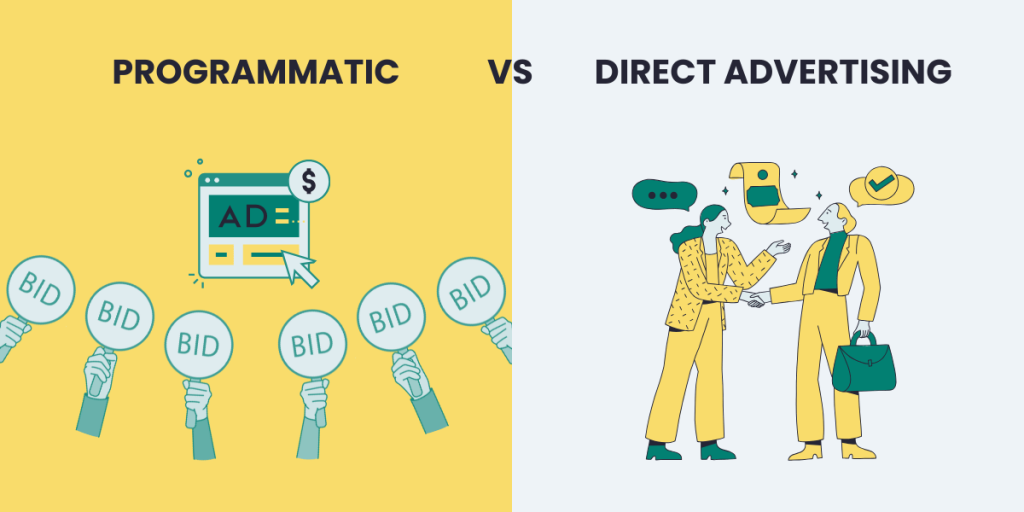
Display advertising of either type is often sold based on cost per mille (CPM) which is how much it will cost an advertiser to get 1,000 impressions. An impression is when a user opens an app or website and they see an ad.
Choosing the Right Digital Display Advertising Format
While there are many benefits to display advertising, not all ad formats will drive the same results. Each one has its own pros and cons to consider depending on the goals of your publication and advertising partners.

At the basis of all advertising is a call-to-action. In the context of digital display advertising, the most common call to action is to encourage users to click on the ad in order to learn more about the product and drive conversions, from brand awareness to purchases.
For example, banner ads are highly effective at increasing the overall awareness of a brand as they are often placed — and most effective — on pages with heavy traffic such as a homepage. Simple, direct calls-to-action such as asking users to sign up for a newsletter is often most easily achieved using a pop-up ad.
The other types of display ads may be better suited for driving actual conversions so long as care is taken to place them in ways that don’t take away from the overall user experience.
Programmatic Advertising for News Publishers
Programmatic advertising enables publishers to connect with advertisers more efficiently, ensuring that the right messages reach the right audiences at the optimal time. It uses software to automate the buying and selling of ad space. This streamlines the process and allows for more precise targeting and real-time bidding (RTB).
Instead of having an advertiser call or email a publisher for quotes, and then settle on a price, ad buying happens in seconds across platforms through the use of algorithms.
Is Programmatic Advertising Right for You?
Allison McIlmoyl, Senior Product Manager of Advertising at Indiegraf, says that before publishers jump into programmatic advertising, there are important considerations to think about.
- Are you tech-savvy enough to set up a programmatic connection? Whether you’re connecting to Google Ads Manager or another provider, you’ll need to have some in-depth knowledge or to work with an expert. If you want to look at header bidding or server-to-server connections, it all involves working with the website’s code.
- Do you have a regular publishing frequency and a history of solid content on the website? If not, you’ll get declined. According to Metro Publisher, many of the well-known demand partners require a high minimum traffic, such as 10 million page views per month. But there are partners that have no traffic requirements.
- Do you have a large enough audience? For example, take a publication that’s averaging around 50,000 views per month. If their programmatic ads get 50,000 impressions at a $3 CPM, they will be making $150 gross. If the publisher also sells direct, their programmatic ads will get even fewer impressions.
In some cases, publishers with smaller audiences can use programmatic to back-fill the gaps in their direct sale ads. It might not generate a ton of revenue, but it gets readers used to seeing ads.
- Do you have the time and capacity to manage the programmatic connection? It definitely isn’t set and forget. You need to monitor your ad performance, adjust things like bid floors, manage the platforms you’re connected to and more. As Metro Publisher also noted, the tasks will also vary based on the amount of traffic your site receives and the amount of demand partners you work with.
We understand that news entrepreneurship can feel challenging, but you are not alone!
Book a free chat with us to share your challenges, and we will provide tailored insights on how Indiegraf’s technology and services can help you overcome them. Whether you’re looking to engage your readers for the first time or seeking to enhance existing support, we’ll guide you through proven strategies to convert your audience into sustaining financial contributors.